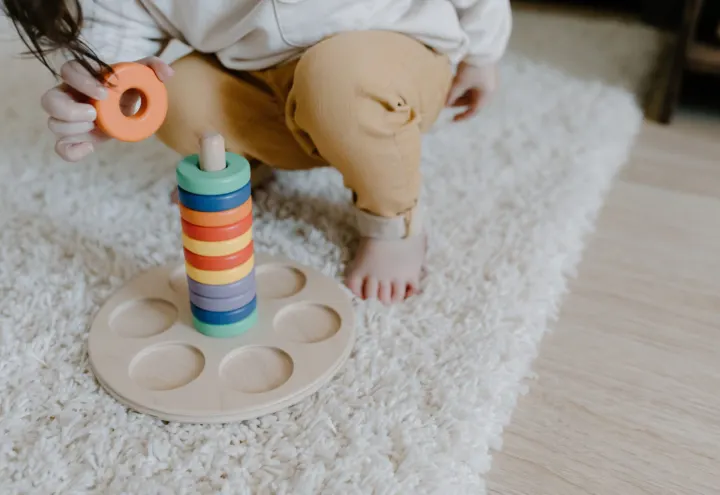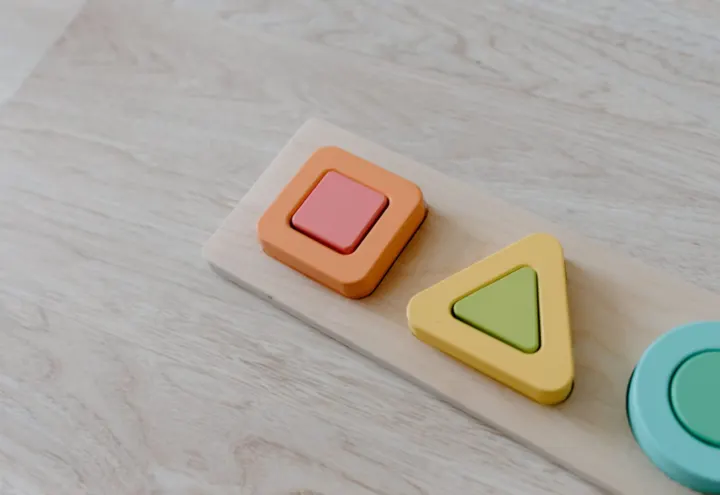

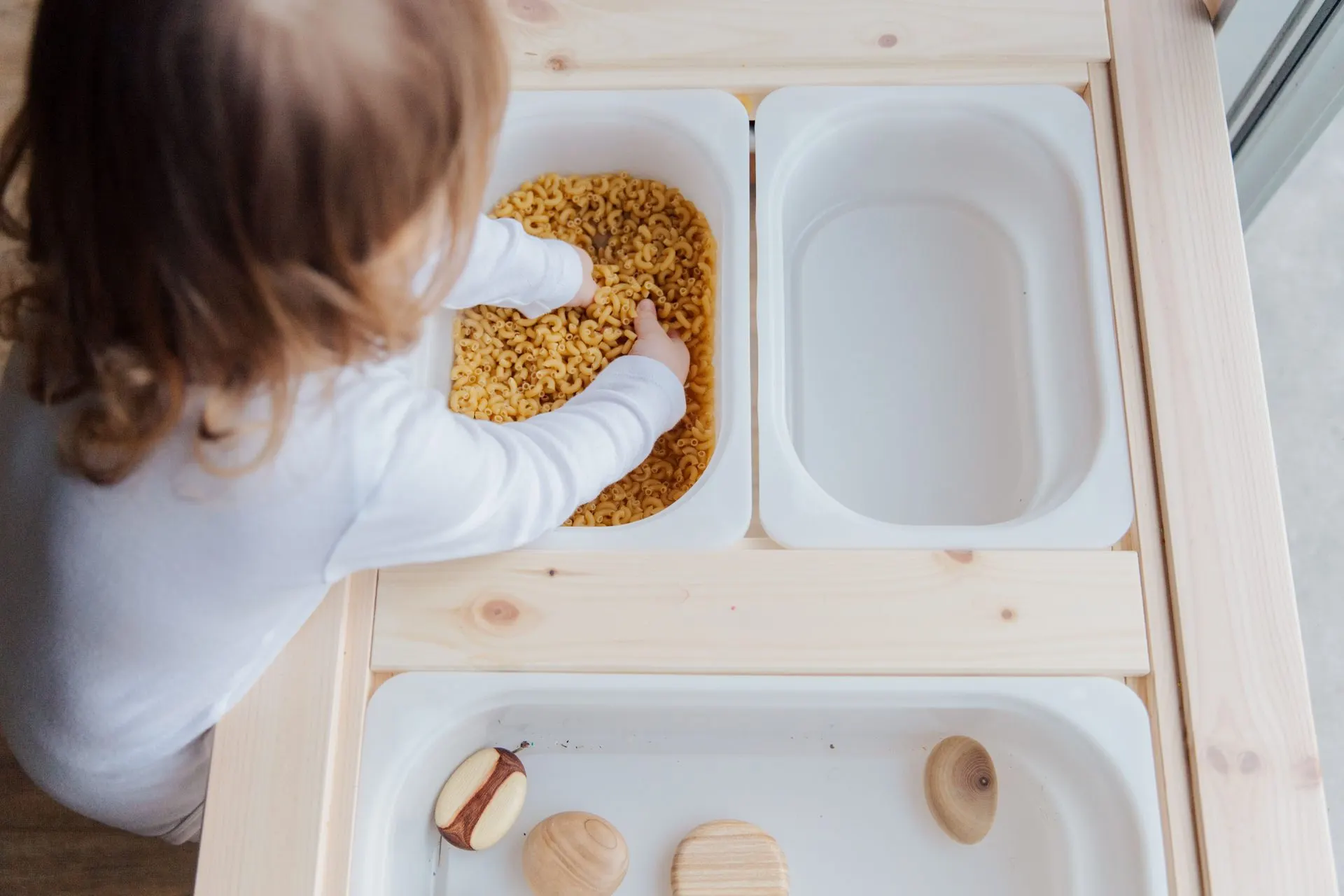
Fine motor skills activities help young children strengthen the small muscles in their hands and fingers through playful tasks like pouring, threading, tweezing, squeezing and building. Just a few minutes a day of activities such as play dough, lacing beads or transferring objects with tongs builds the control children need for writing, dressing and everyday independence.
The ThomsonKids.com Editorial Team sorted the activities below by type and by age, with safety notes for children who still put objects in their mouths.
Key Takeaways
- Fine motor skills involve the small muscles of the hands, fingers and wrists.
- They underpin later skills like holding a pencil, cutting and buttoning.
- Everyday materials such as tongs, sponges, clothespins and play dough work well.
- Match activities to your child’s stage and increase the challenge gradually.
- Supervise closely and avoid small objects with children under three.
What Are Fine Motor Skills?
Fine motor skills are the coordinated movements of the small muscles in the hands and fingers, usually working together with the eyes. They allow children to pick up small objects, turn pages, stack blocks, hold a crayon and eventually write letters.
These skills develop gradually. A toddler might grab with the whole hand, while a five-year-old can pinch tiny objects between thumb and forefinger with precision. Every activity that asks the hand to grip, twist, squeeze or place something helps along the way. By around age two, many children can turn book pages and build a tower of about six blocks, according to the AAP’s overview of hand and finger skills in 2-year-olds.
Why Fine Motor Skills Matter
Strong fine motor skills support far more than handwriting. They help children become independent in daily routines, from zipping a coat to using a spoon. When these tasks feel easier, children often feel more confident and capable. A HealthyChildren.org article on handwriting in the digital age also notes that early fine motor skills are linked with later success in writing, reading and math.
Maria Montessori placed great emphasis on the hand, believing that hand and mind develop together. That is why Montessori classrooms are full of “practical life” activities like pouring, spooning and buttoning. You can bring the same ideas home with simple materials, and our guide to what makes a toy Montessori explains how to spot toys designed this way.
Fine Motor Activities by Type
Squeezing and Strengthening
- Play dough: Rolling, pinching, poking and flattening build hand strength. Add cookie cutters or a garlic press for variety.
- Sponge squeeze: Move water from one bowl to another by soaking and squeezing a sponge.
- Clothespin clip: Clip clothespins around the edge of a paper plate or a box.
- Spray bottle painting: Fill a small spray bottle with water and “paint” a fence or chalk drawing outdoors.
Pinching and Grasping
- Tong transfers: Use kitchen tongs to move large pom-poms or big pasta shapes between bowls.
- Tweezer sorting: For older preschoolers, sort small items by color into an egg carton or ice cube tray.
- Sticker play: Peeling stickers takes surprisingly fine control.
- Posting slots: Push jar lids or jumbo counting chips through a slot cut into a container lid. Avoid real coins and buttons, which are choking hazards.
Threading and Lacing
Start with large wooden beads and a stiff cord, or thread pasta tubes onto a pipe cleaner. As skills grow, move to smaller beads and lacing cards. Threading also builds focus and hand-eye coordination.
Pouring and Spooning
Give your child a small pitcher and cups to pour dry rice or water. Spooning large dried beans from one bowl to another is another classic practical life activity for children past the mouthing stage. Spills are part of learning, so keep a cloth nearby and let your child help clean up.
Building and Manipulating
Blocks, interlocking bricks, peg puzzles, nuts and bolts toys and simple screw-top containers all develop finger control and wrist rotation. Building toys combine fine motor work with problem solving, so they are doubly valuable.
Drawing, Cutting and Tearing
Thick crayons and chalk suit younger hands. Tearing paper into strips for a collage is excellent preparation for scissor use. When your child is ready, offer child-safe scissors and supervise closely.
Activities by Age
Every child develops at their own pace, so use this table as a general guide rather than a checklist. Follow your child’s lead and adjust the challenge as needed.
| Age | Typical Focus | Activity Ideas |
|---|---|---|
| 2 years | Whole-hand grasp, early stacking | Large blocks, chunky peg puzzles, play dough, sponge squeezing |
| 3 years | Pincer grasp, threading, pouring | Large lacing beads, tong transfers, pouring dry rice, stickers |
| 4 years | Control and precision | Tweezer sorting, lacing cards, tearing paper, interlocking bricks |
| 5 years | Tool use and early writing | Cutting with child-safe scissors, small beads, drawing shapes, nuts and bolts |
How to Set Up a Fine Motor Activity
- Use a tray. A tray defines the workspace and contains spills.
- Keep it simple. Offer one activity at a time with only the materials needed.
- Demonstrate slowly. Show the movement once, with few words, then let your child try.
- Step back. Resist correcting every attempt. Practice is the point.
- End before frustration. Short, successful sessions build motivation.
Safety First
Many fine motor activities use small objects. For children under three, or any child who still mouths objects, use items too large to be a choking hazard and supervise at all times. Dried beans, beads and buttons should be reserved for older children with close supervision.
Choose toys labeled for your child’s age, check regularly for loose parts, and store small materials in lidded containers out of reach when not in use. The ThomsonKids.com Editorial Team suggests making that check part of every toy rotation.
Bringing Fine Motor Practice Into Daily Life
Everyday routines offer endless practice. Let your child help peel a banana, wipe the table, sort socks, unscrew lids or water plants with a small watering can. These real tasks are meaningful and build independence alongside skill.
Many of the hands-on toys at ThomsonKids.com are designed with fine motor development in mind, from chunky puzzles for toddlers to lacing and building sets for preschoolers. You can find age-matched ideas in our post on choosing toys for a 3-year-old.
For more hands-on ideas, explore our learning activities or browse Montessori toys that support practical life skills.
Frequently Asked Questions
What are examples of fine motor skills in toddlers?
Examples include picking up small objects, stacking blocks, turning book pages, scribbling with crayons, placing shapes in a sorter, and feeding themselves with a spoon. Over time, toddlers move from a whole-hand grab to a more precise pincer grasp using the thumb and index finger.
How can I improve my preschooler’s fine motor skills at home?
Offer short, playful activities daily, such as play dough, threading beads, using tongs, tearing paper and building with blocks. Involve your child in real tasks like pouring drinks or buttoning coats. Gradually increase the challenge as their hands grow stronger and more coordinated.
When should I be concerned about fine motor development?
Children develop at different rates, so some variation is normal. If your child consistently avoids hand-based tasks, seems very frustrated by them, or is noticeably behind peers, talk to your pediatrician. They can assess development and, if needed, recommend support such as occupational therapy.
Do fine motor skills help with handwriting?
Yes. Handwriting depends on hand strength, finger control and coordination between the eyes and hands. Activities that build these abilities, like squeezing, pinching and drawing, help children hold a pencil comfortably and form letters with more control once they are ready to write.