
The best screen-free activities for rainy days mix movement, making and imagination: think blanket forts, indoor obstacle courses, building challenges, simple crafts and pretend play. Plan a rhythm of active and calm activities, set out a few materials, and let children lead. Most ideas need nothing more than what you already have at home.
The ThomsonKids.com Editorial Team grouped the ideas below by energy level, so you can plan a day that flows from wiggly to calm.
Key Takeaways
- Alternate high-energy and quiet activities to avoid overtired, restless kids.
- Household items like blankets, tape, boxes and pillows are perfect rainy-day materials.
- Open-ended toys stretch further than single-purpose ones on long indoor days.
- Invite, do not entertain: set up an activity and let your child take over.
- Choose activities that suit your child’s age and supervise movement games.
Why Plan Screen-Free Rainy Days?
When everyone is stuck indoors, screens can feel like the easiest option. But long stretches of passive viewing often leave children more restless, not less. Rainy days are a natural chance to practice creativity, cooperation and self-directed play.
Pediatric guidance, including from the American Academy of Pediatrics, generally encourages families to limit recreational screen time for young children and prioritize active, hands-on play. The AAP’s family media plan can help you decide in advance when screens are and are not part of the day.
A little planning makes that much easier on a gray afternoon. If screens tend to creep in whenever the weather turns, our guide on how to reduce screen time for kids has strategies that make the switch smoother.
Active Indoor Games to Burn Energy
Start the day with movement. Children who get their wiggles out early are usually calmer later.
- Indoor obstacle course: Use cushions to jump on, a chair to crawl under and tape lines to balance along. Time each run for older kids.
- Freeze dance: Play music and freeze when it stops. Add silly poses for extra laughs.
- Balloon keep-up: Keep a balloon off the floor as a team. It is surprisingly tiring. Supervise closely, keep uninflated balloons away from young children, and pick up popped pieces right away, because latex balloon pieces are a serious choking hazard.
- Animal walks: Hop like a frog, crawl like a bear, waddle like a penguin down the hallway.
- Treasure hunt: Hide a toy and give picture clues for pre-readers or written clues for older children.
Building and Making
Blanket Fort Architecture
Chairs, sheets, clothespins and pillows turn any room into a hideout. Building a fort involves planning, teamwork and plenty of engineering trial and error. Once built, it becomes a reading nook or a pretend campsite.
Cardboard Box Creations
A large box can become a car, rocket, shop or puppet theater. Provide markers, tape and safety scissors, and let your child decide what it becomes. As the AAP’s list of no-cost, screen-free activities for preschoolers points out, children often have the most fun with things as simple as a cardboard box.
Building Challenges
Set a challenge with blocks or magnetic tiles: build a house for a toy animal, a bridge between two books or the tallest tower possible. For more hands-on challenge ideas, see our STEM activities for 5-year-olds.
Creative and Pretend Play
- Rainy day restaurant: Children take orders, “cook” with play food and set the table.
- Puppet show: Make sock or paper bag puppets, then perform behind the sofa.
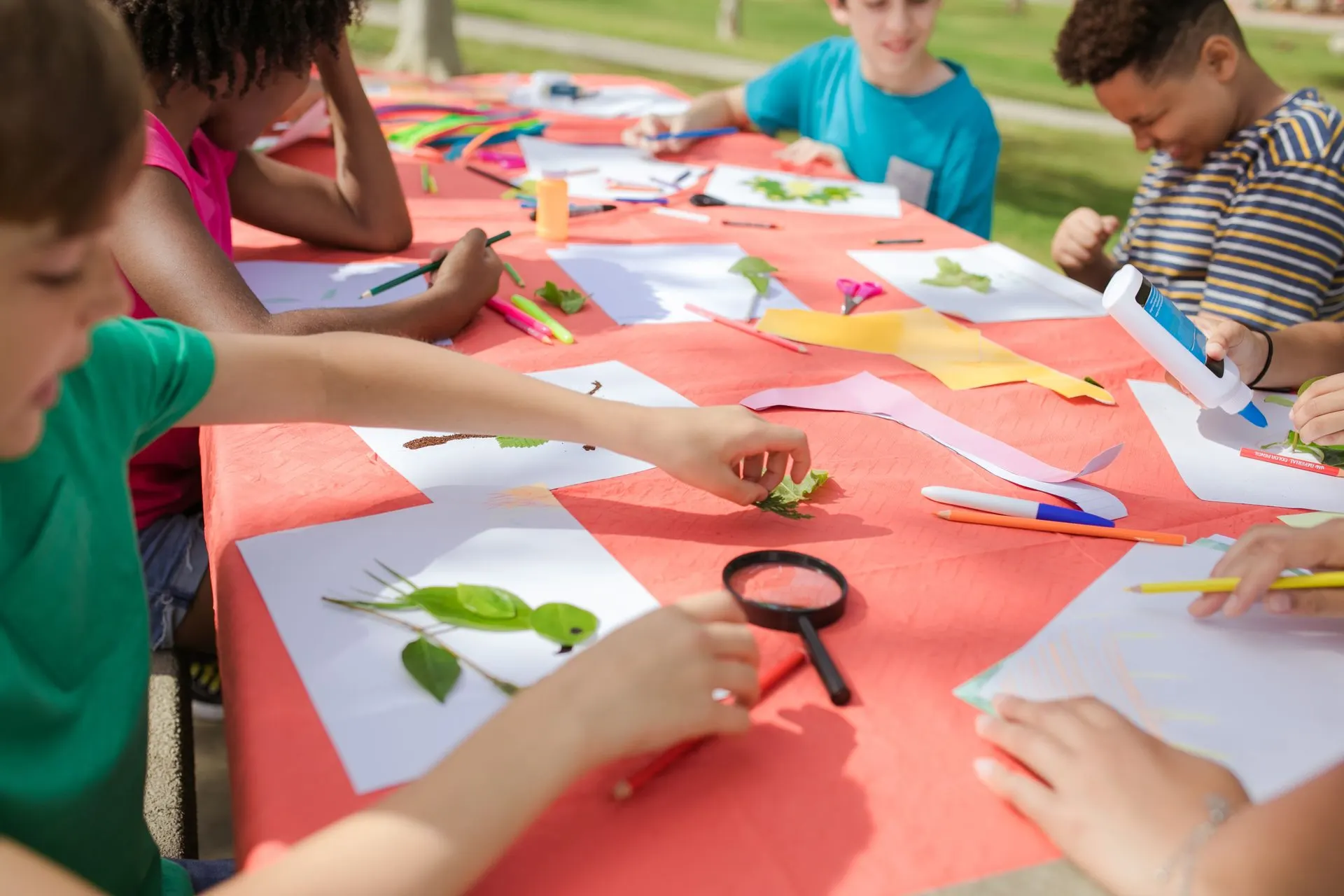
- Weather art: Paint the rain outside, or make cloud pictures with cotton balls and glue.
- Dress-up theater: Gather old clothes and hats and put on a family play.
- Story stones: Draw simple pictures on rocks or paper circles, then pull a few out to invent a story together.
Calm Activities for Quiet Time
After a burst of activity, slower play helps children recharge. These activities support focus and fine motor skills too.
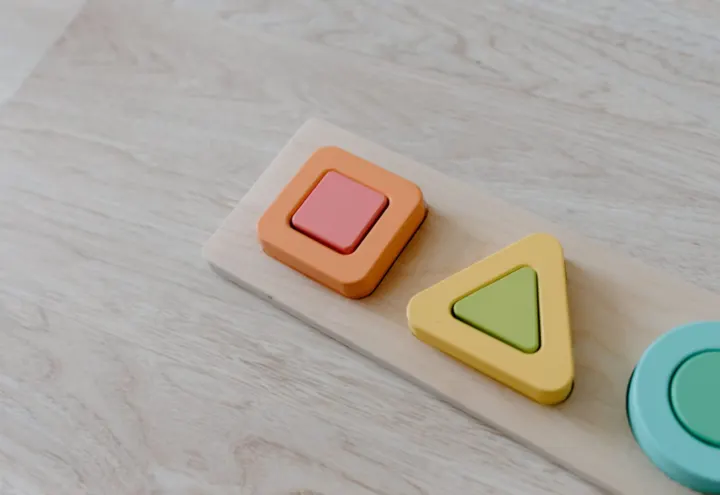
- Puzzles suited to your child’s level
- Lacing cards, threading beads or sorting activities
- Play dough with cookie cutters and a small rolling pin
- Audiobooks or reading together in the fort
- Drawing with a “rain sounds” playlist in the background
Rainy Day Ideas by Age
| Age | Active Idea | Creative Idea | Calm Idea |
|---|---|---|---|
| 2–3 years | Animal walks | Play dough shapes | Chunky puzzles |
| 4–5 years | Freeze dance | Cardboard box car | Lacing beads |
| 6–7 years | Obstacle course | Puppet show | Pattern or logic puzzles |
| 8–10 years | Timed treasure hunt with written clues | Family play with scripts | Building kits or chapter books |
How to Make a Rainy Day Go Smoothly
A loose plan works better than a strict schedule. Many parents find a simple rhythm helpful: active play, snack, building or making, lunch, quiet time, then pretend play.
Keep a “rainy day box” in a closet with supplies you only bring out on stormy days, such as tape, stickers, craft materials and a few rotated toys. The novelty alone buys plenty of engaged play time.
Most importantly, resist the urge to fill every minute. A bit of boredom often sparks the most creative ideas. At ThomsonKids.com, we design toys that make independent play easy, so children can dive in without an adult running the show.
Toys That Shine on Rainy Days
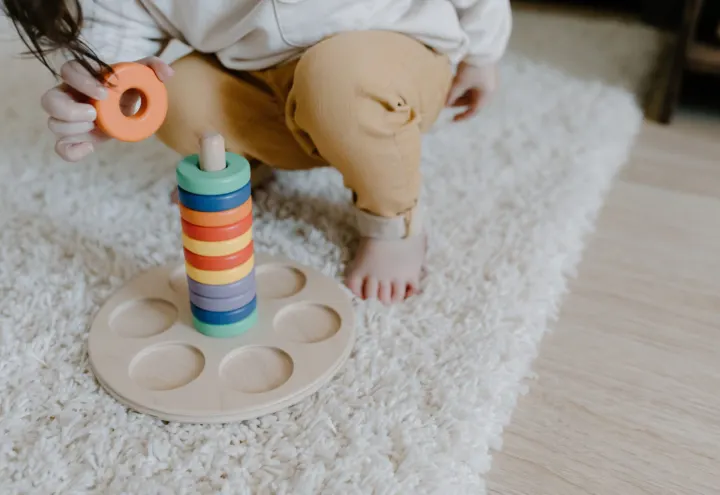
The most useful rainy-day toys are open-ended: blocks, building sets, loose parts, pretend play props and art materials. They can be used differently each time, which matters on long indoor days.
Explore more ideas in our screen-free play section, find hands-on projects in learning activities, or browse screen-free toys from ThomsonKids.com designed for curious kids ages 2 to 10.
Frequently Asked Questions
How do I keep kids busy on a rainy day without screens?
Plan a mix of active games, building, creative projects and quiet time. Set out materials as invitations rather than directing every step. Simple items like blankets, boxes, tape and play dough go a long way, and rotating a few stored toys adds novelty.
What are good indoor activities for toddlers?
Toddlers enjoy animal walks, simple obstacle courses with cushions, play dough, chunky puzzles, water play in the sink with an adult right beside them, and reading in a blanket fort. Keep activities short, avoid small parts for children under three, and expect plenty of repetition.
Is it okay for kids to be bored on a rainy day?
Yes. Some boredom is healthy and often leads to creative, self-directed play. Rather than rushing to fill the gap, offer a few open-ended materials and give your child time to come up with their own ideas. You may be surprised by what they invent.
How can siblings of different ages play together indoors?
Choose open-ended activities with flexible roles, like blanket forts, restaurants or obstacle courses. Older children can design the course or write clues while younger ones run it. Keep small parts from older kids’ toys away from children under three, and supervise active games.