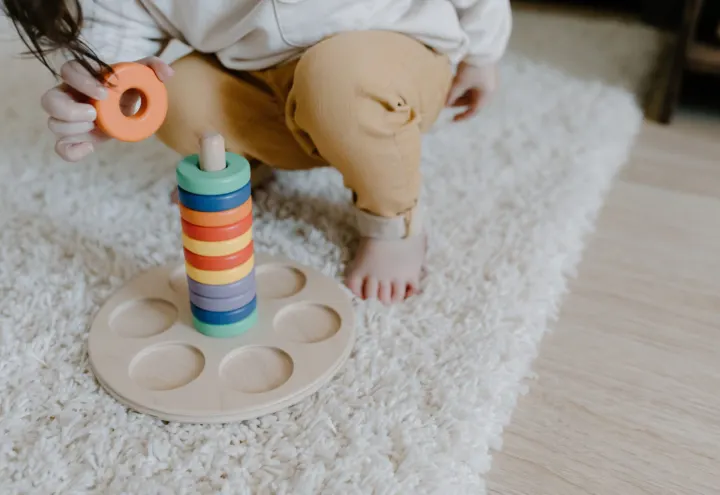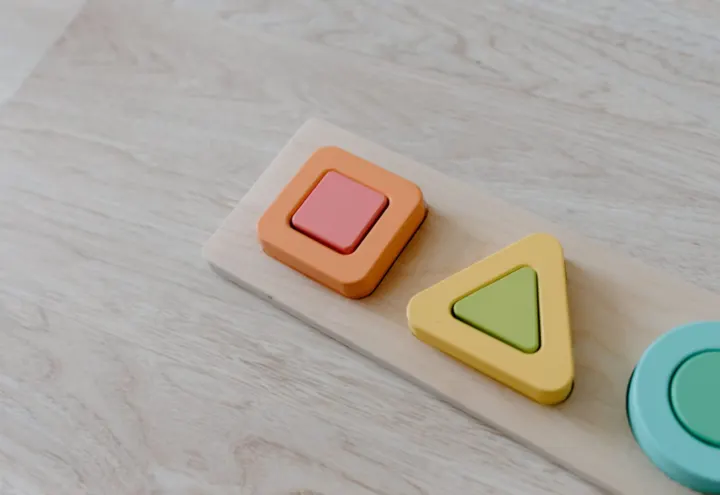


The most effective way to reduce screen time for kids is to replace it, not just remove it. Set clear, predictable routines, create screen-free zones and times, make engaging hands-on alternatives easy to reach, and model the habits you want to see. Gradual changes with consistent follow-through cause far fewer battles than sudden bans.
The ThomsonKids.com Editorial Team gathered the strategies below for families who want fewer screen battles, not perfection.
Key Takeaways
- Swap screens for appealing alternatives rather than simply taking them away.
- Predictable routines reduce negotiating and meltdowns.
- Screen-free zones, like bedrooms and the dinner table, make limits automatic.
- Children copy adults, so modeling matters as much as rules.
- Expect some pushback at first; consistency is what makes new habits stick.
Why Screen Time Is Worth Managing
Screens are part of modern life, and not all screen use is harmful. Video calls with grandparents or a shared show on a Friday night can be lovely family moments. The concern is usually about how much time screens take from other important activities.
The American Academy of Pediatrics generally recommends avoiding recreational screen use for very young children, keeping it limited and co-viewed for preschoolers, and creating a family media plan for older kids. The common theme is protecting time for sleep, physical activity, conversation and hands-on play, which young children need to develop well.
Start With an Honest Look
Before changing anything, notice when and why screens come out. Is it during dinner prep? In the car? As a reward? To calm big feelings? Knowing the pattern helps you target the moments that matter most.
Many families find that screens fill a few predictable gaps. Address those gaps with a plan, and screen time naturally drops without a daily fight. The AAP’s 5 C’s of media guidance offer a helpful lens here, including asking what screen time may be crowding out.
Ten Strategies That Actually Work
- Make a family media plan. Decide together when screens are used, for how long and for what. Write it down and post it where everyone can see.
- Create screen-free zones. Bedrooms, the dinner table and the car on short trips are good places to start.
- Set screen-free times. Mornings before school and the hour before bed are common choices, and they also support better sleep.
- Use visual timers. Young children cannot track time well. A sand timer or visual countdown makes the end of screen time predictable.
- Give a transition warning. “Two more minutes, then we will build your train track” works far better than a sudden switch-off.
- Prepare the alternative first. Set out a puzzle, art supplies or building set before screen time ends so there is something inviting to move to.
- Keep devices out of sight. Store tablets in a drawer or charging station away from play areas. Out of sight really does help.
- Avoid screens as rewards or punishments. This can make them seem even more valuable.
- Model healthy use. Put your own phone away during meals and play. Children notice.
- Reduce gradually. Cutting back in steps gives everyone time to adjust and build new habits.
Smart Swaps for Common Screen Moments
The table below pairs typical screen moments with easy, screen-free alternatives. At ThomsonKids.com, we find the swaps that work best are the ones set up before the screen goes off.
| Screen Moment | Screen-Free Swap | Why It Works |
|---|---|---|
| While you cook dinner | Kitchen helper tasks or a “busy box” at the table | Keeps kids close and involved |
| Waiting at appointments | Small travel games, drawing pad, I Spy | Portable and quick to start |
| Car rides | Audiobooks, music, counting games | Engages listening and imagination |
| After school wind-down | Snack plus building or outdoor play | Restores energy through movement |
| Before bed | Bath, books and quiet puzzles | Supports calmer sleep routines |
| Weekend mornings | Toy shelf “surprise” from rotation | Novelty draws kids into play |
Handling Pushback
Expect some resistance, especially at first. Children who are used to screens may complain about being bored. That is normal, and it usually fades within days or weeks as new routines settle in.
Acknowledge Feelings
Try “I know, it is hard to stop when you are enjoying something” before redirecting. Feeling heard helps children accept limits.
Stay Consistent
If limits change depending on mood, children learn that arguing works. Calm, predictable follow-through is kinder in the long run.
Involve Older Kids
Children ages six and up can help create the family plan. When they have a voice, they are more likely to follow it.
Be Patient With Yourself
Some days will not go to plan, and that is fine. Illness, travel or a long workweek can all mean more screens for a while. Simply return to your routine when life settles. Progress over weeks matters far more than any single day.
Make Screen-Free Play Irresistible
The real secret is making the alternatives genuinely appealing. A tidy, inviting play space with a few well-chosen toys is far more tempting than a crowded bin. Our guide to setting up a Montessori toy shelf shows how to create one.
Open-ended toys like blocks, building sets and pretend play props hold attention because children can use them in endless ways. We explain the thinking behind this in why screen-free toys matter.
For more inspiration, explore our screen-free play ideas, find age-appropriate picks in toys by age, or start with ThomsonKids.com play ideas and toys built to be absorbing without a single screen.
Frequently Asked Questions
How much screen time is appropriate for young children?
The American Academy of Pediatrics generally advises avoiding recreational screens for very young children and keeping use limited and shared for preschoolers. For older kids, it recommends a consistent family media plan. Always prioritize sleep, physical activity and hands-on play, and ask your pediatrician about what suits your child.
How do I stop tantrums when screen time ends?
Give a clear warning before time is up, use a visual timer, and have an appealing activity ready to move to. Acknowledge your child’s frustration calmly, then follow through consistently. Over time, predictable endings lead to fewer tantrums because your child knows what to expect.
Should I ban screens completely?
A total ban is not necessary for most families and can be hard to sustain. Focus instead on clear limits, screen-free zones and times, and quality content. The goal is a healthy balance where screens do not crowd out sleep, movement, conversation and play.
What can replace screen time for kids?
Good replacements include building toys, puzzles, art supplies, pretend play, outdoor games, audiobooks and simple household jobs. Choose activities that match your child’s age and interests, and make them easy to access. Rotating toys regularly keeps options feeling fresh and exciting.